Ceramic heat shields for exhaust and turbo heat
A heat shield does the other half of the job. Coating keeps heat inside the exhaust; a shield stops what still radiates from reaching the parts around it. We make heat shields to your measurements, and coat the shields you already have at our workshop in Riga.
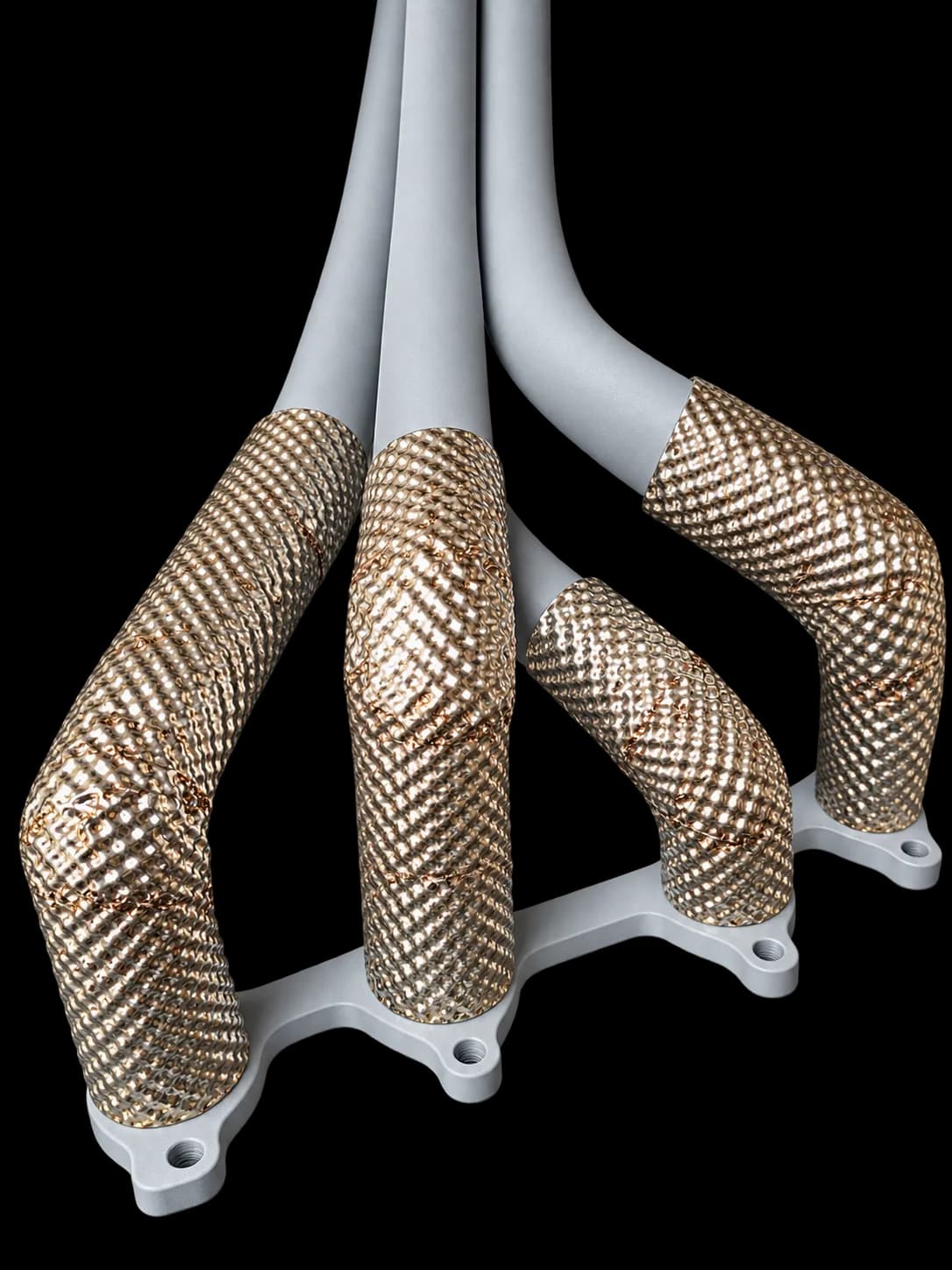
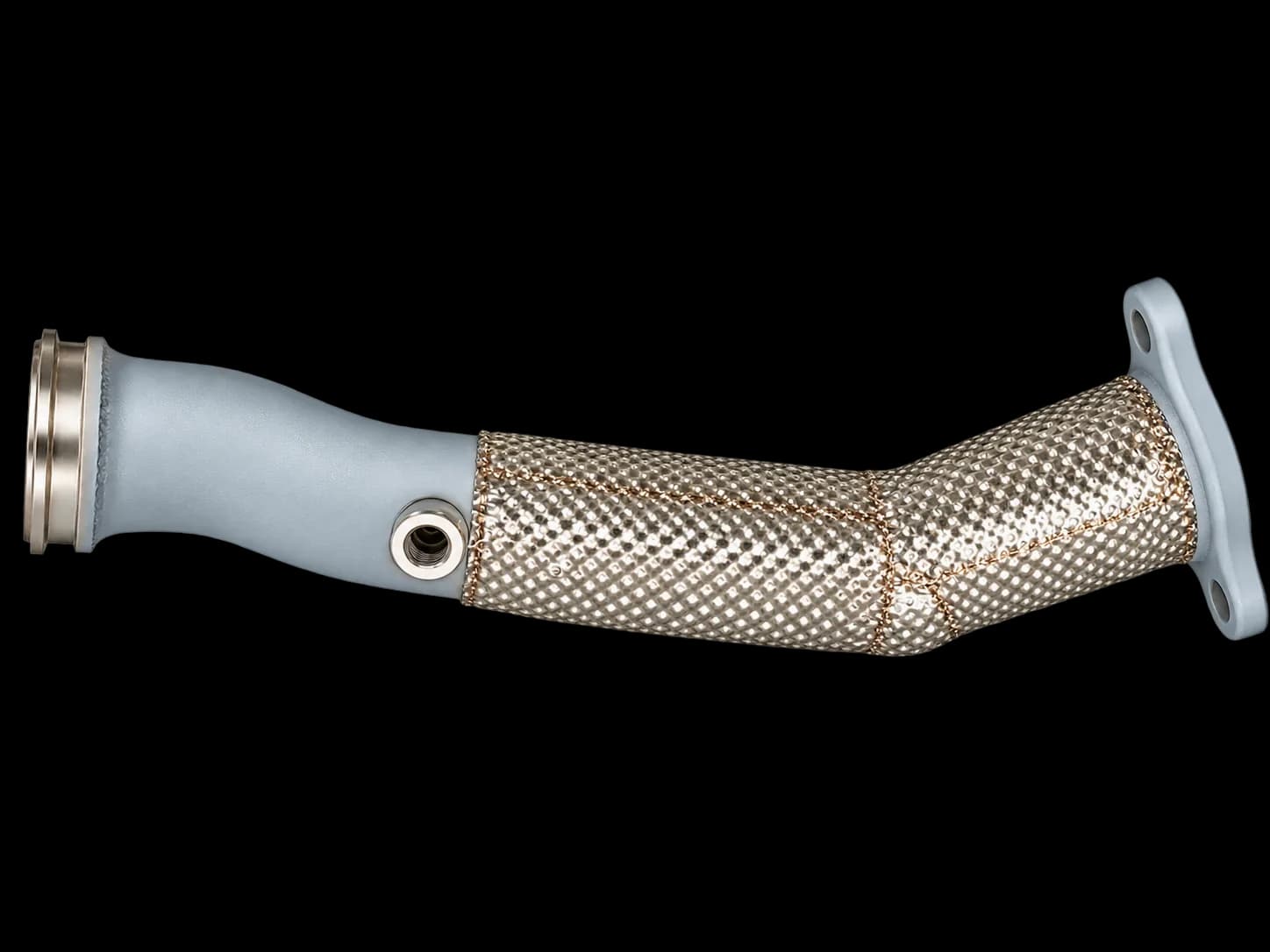
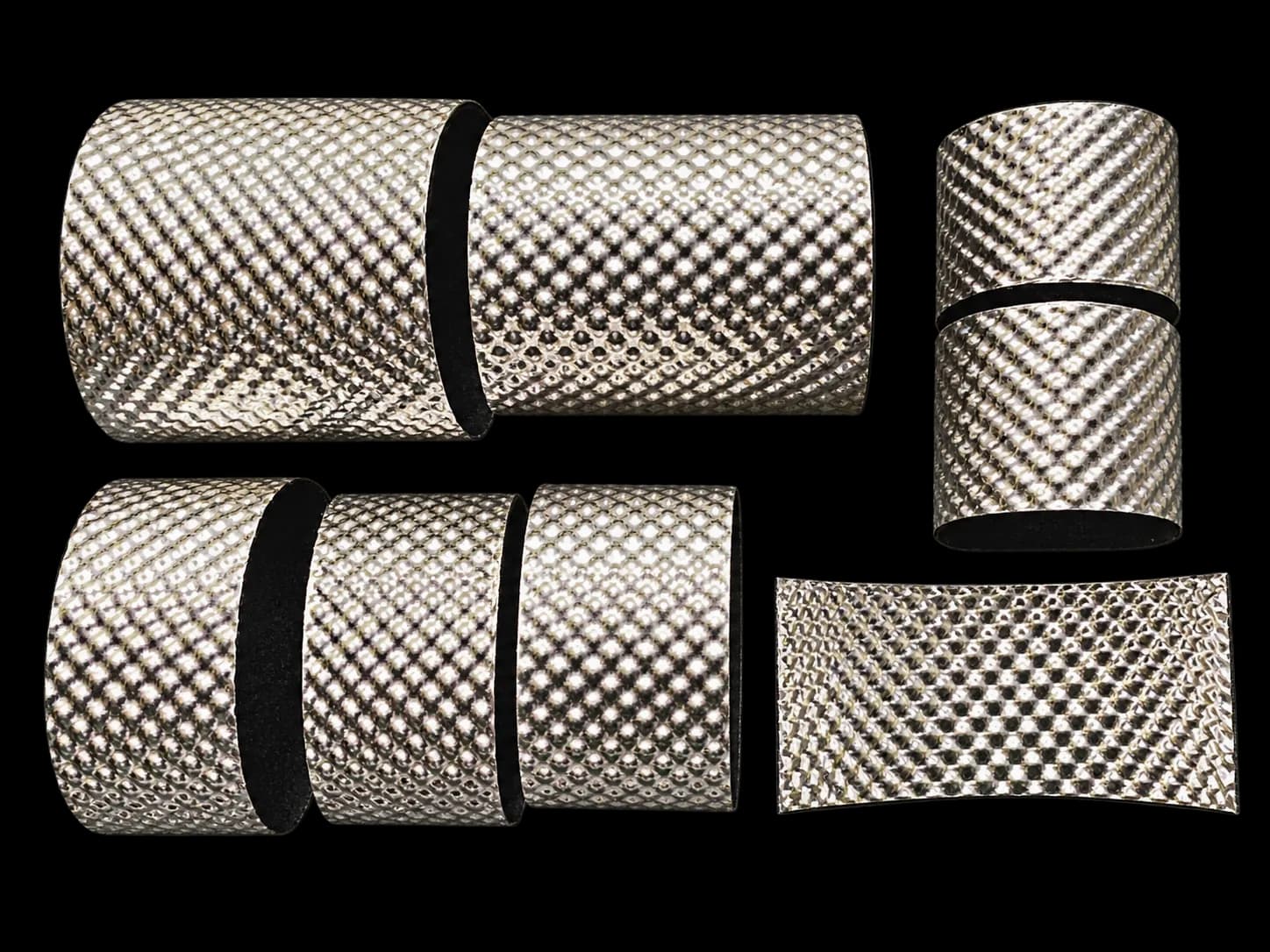
Heat shields made in Latvia
Heat shields work wherever they are needed, including places where shielding was not possible before. These Latvian-made heat shields are a revolutionary invention.
A shield is basically two stainless steel foils welded together, with a ceramic coating on one side. Several options and strength grades are available, with different physical properties. As standard we make flat and round shields.
Important: we can also add a heat shield to an exhaust system that is already ceramic-coated.
Shield or coating, or both?
Coat the hot part first: it keeps heat in the exhaust system and lowers the surface temperature by about 25–33% at 0.3 mm. A shield is the second step. It holds back the heat when the radiation is still too much. The result is double ceramic: first a stabilised TBC coating, then a shield that cuts the remaining heat.
In the engine bay you usually want both. Coat the manifold, turbo or downpipe, then shield whatever still sits too close. The real problem is a part sitting very close by that must not overheat.
What we need from you
A photo or a template: the hot part, the part you want to protect, and how much room there is between them. Tell us the car or bike, how it is used, and whether the shield has to come off for service. We can make a heat shield to your measurements.
What the coating does
- Holds back radiated heat where a coating alone does not help
- Protects paint, plastics, wiring and fluid lines next to the exhaust system
- Works with coated exhaust parts as one solution
Where a heat shield earns its place
A shield can be added to the exhaust system, welded on or fixed with clamps, and fitted to body panels or other components. The biggest advantage comes from adding shields to a manifold, downpipe or turbo that is already ceramic-coated.
Floor and tunnel
The cabin floor and transmission tunnel matter in many disciplines, rally for example. Heat shields work here because exhaust wrap and heat-resistant felts do not stand up to water, which can cause thermal shock.
Advantages
Being able to shield the exhaust system under the car opens up a lot for disciplines such as rally, autocross and rallycross.
By protecting the exhaust from water, mud and winter conditions, we prevent thermal shock and, above all, keep the exhaust gas flowing.
What we do with heat shields
- We coat the shield you have
- Send your standard or custom shield and we coat it with the same thermal-spray ceramic we use on exhaust parts. It bolts back in the same place afterwards.
- Shields made to fit
- From your photos, template or measurements we make flat and round heat shields: two welded stainless steel foils with a ceramic coating on one side.
Heat shields from the workshop
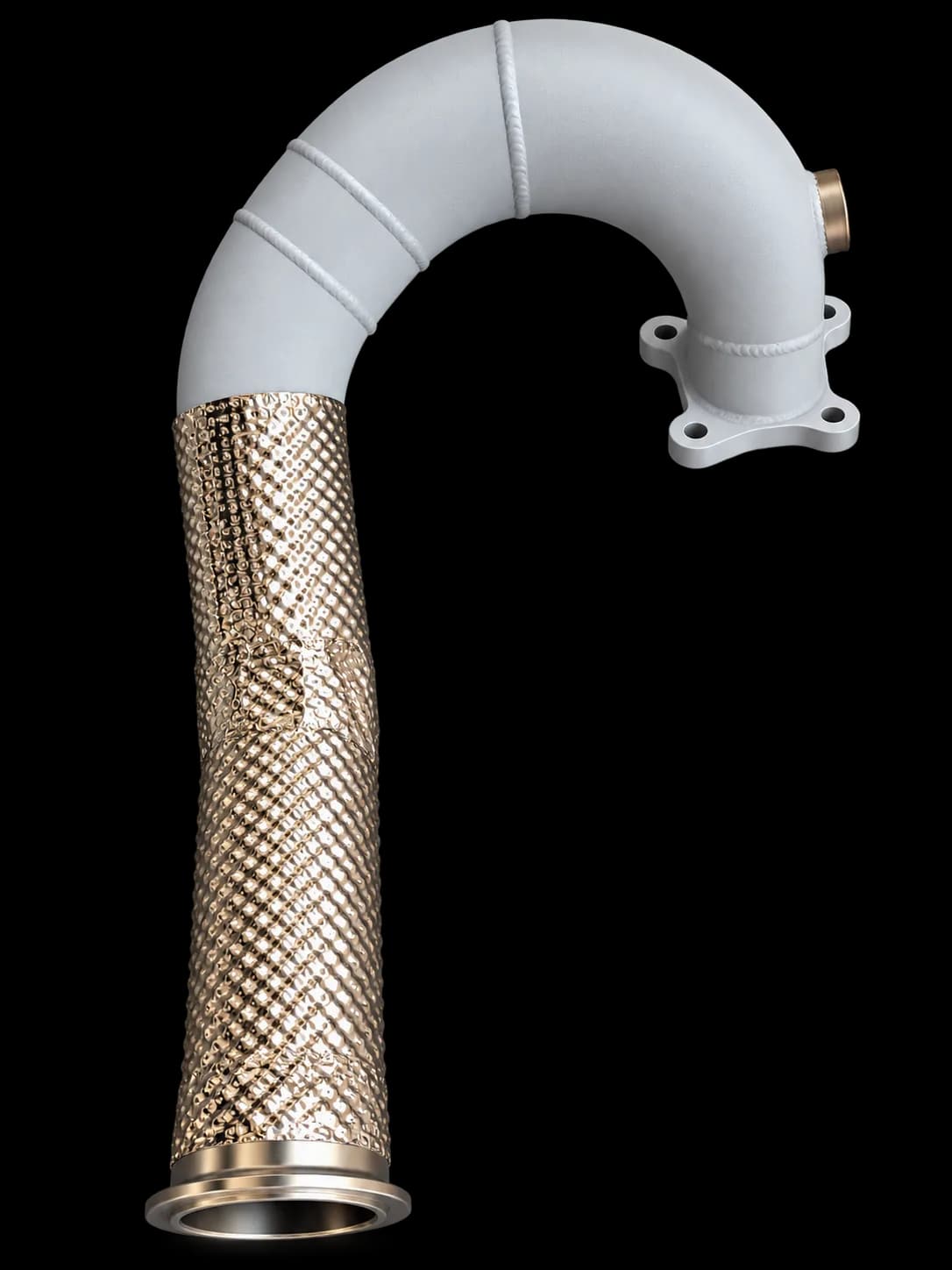
Heat shield on a curved downpipe 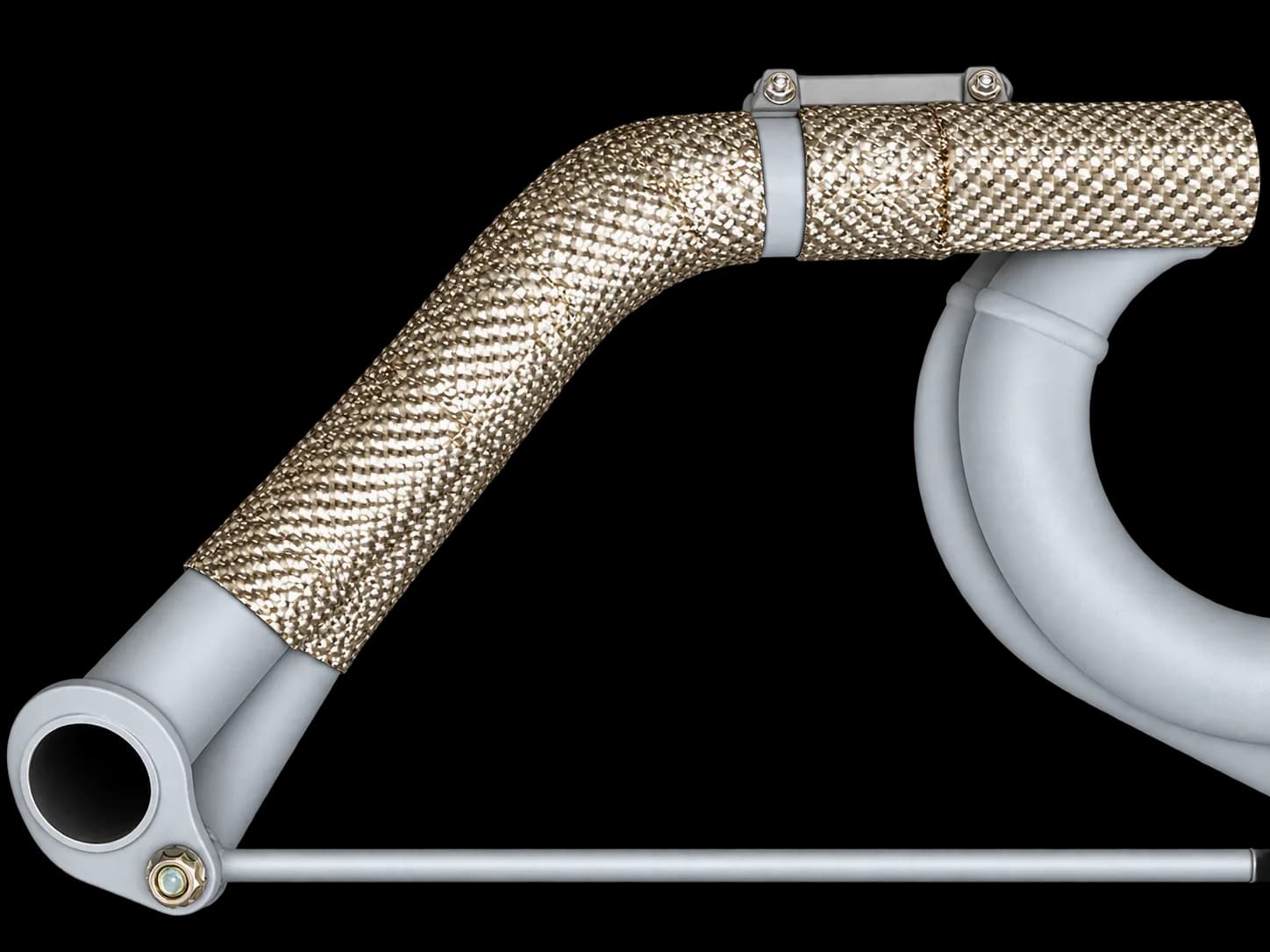
Heat shield fixed with a clamp 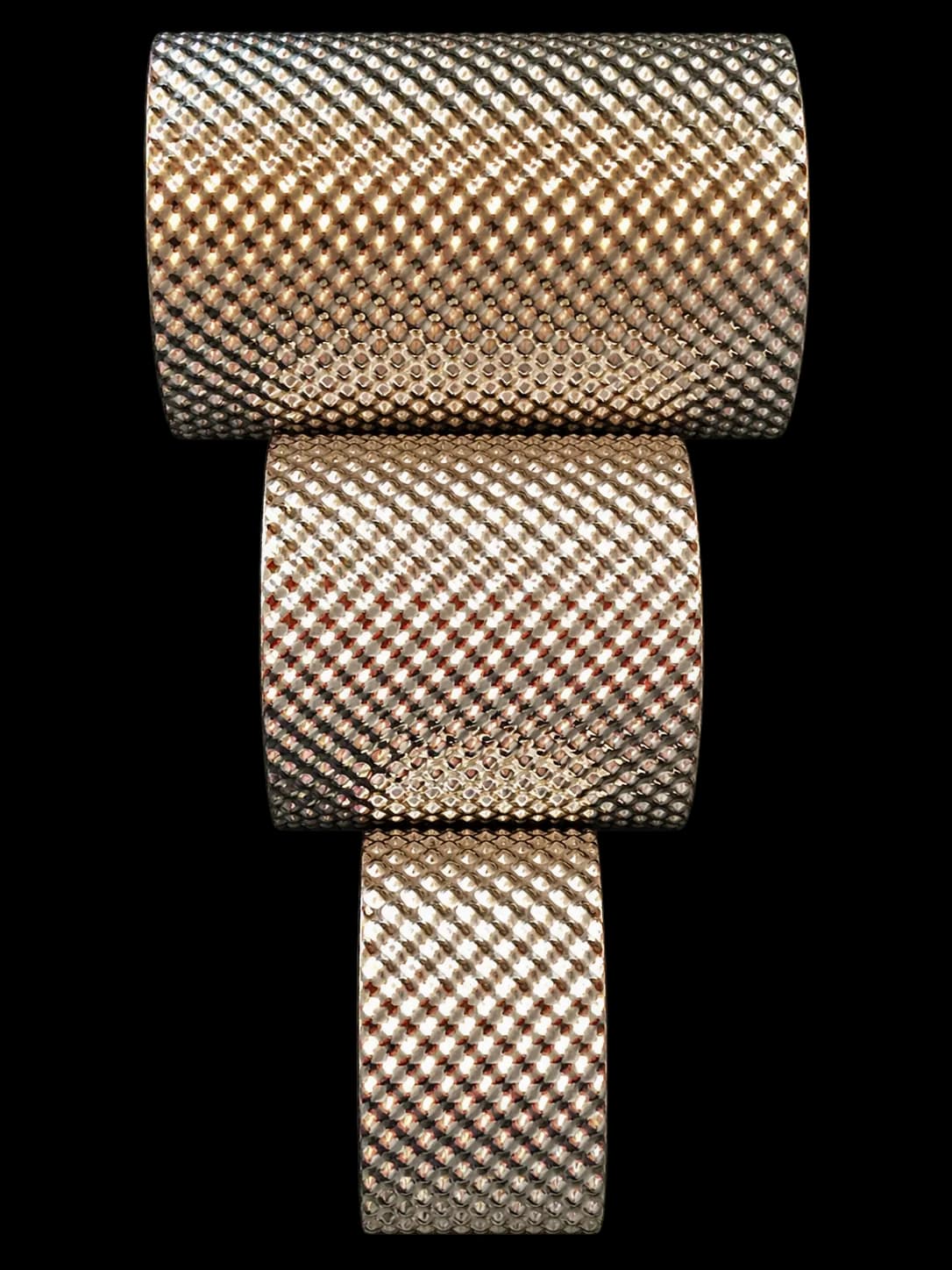
Round shields in several diameters 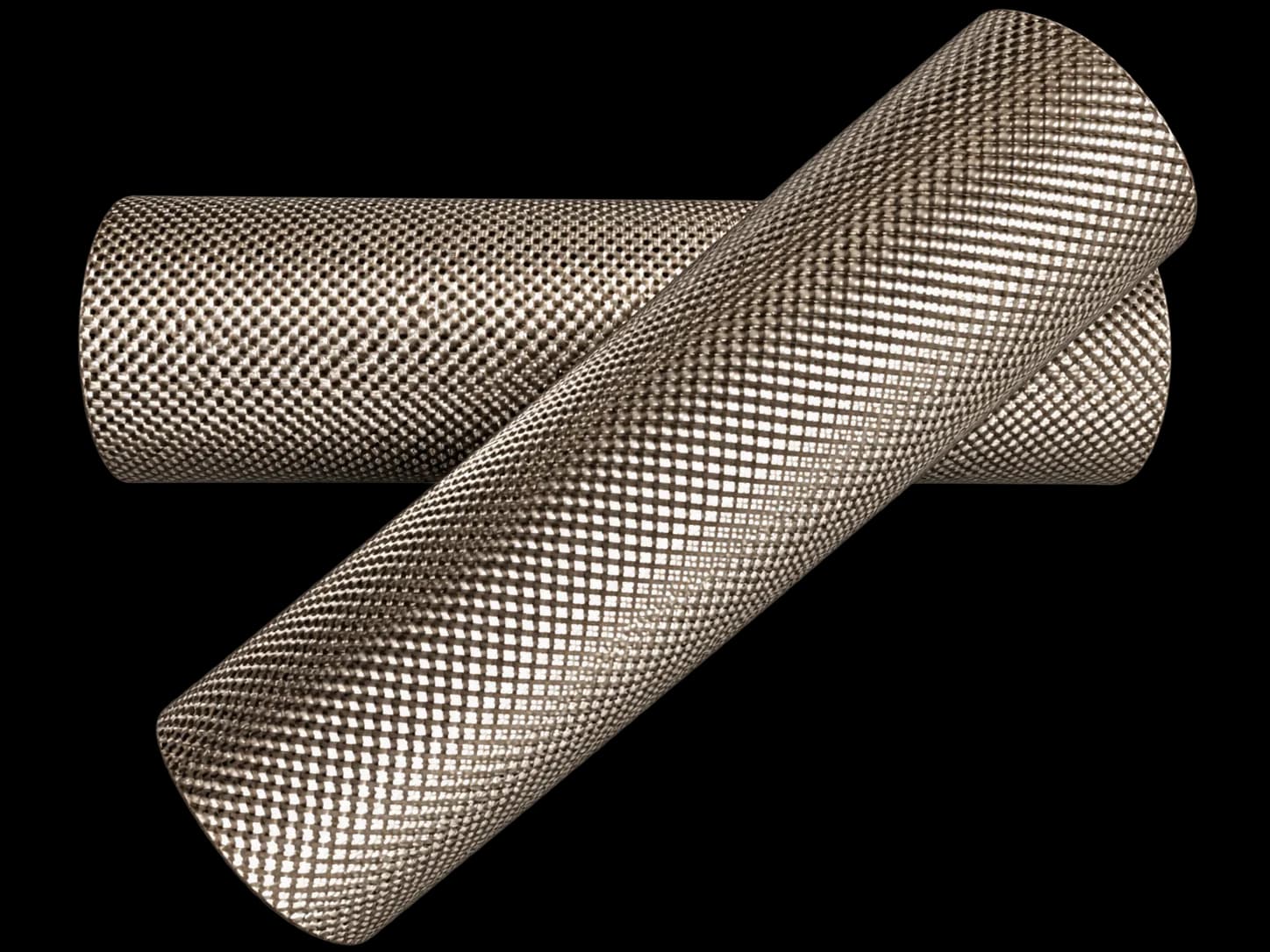
Long round shields for pipes
Sending a part by courier
Most parts reach us by courier. It takes three steps.
Send photos and details
Use the form or WhatsApp. Tell us the part, the car or engine, and anything we should know, such as cracks or earlier repairs.
Pack and ship the part
Once you accept the quote, remove sensors, gaskets and heat shields, pack the part well and ship it with any courier.
Get it back coated
We coat the part and send it back to you, or you pick it up in Riga.
Shipping address
We send the shipping address together with your quote.
Packing tips
- Wrap flanges and threads so they cannot be damaged in transit.
- Use a sturdy box and fill the empty space so the part cannot move.
- Put a note inside with your name, phone number and what you want coated.
Questions
Do I still need a shield if the part is already coated?
Not always. Coating handles the heat in the part itself; a shield handles the last gap where something sits too close to it. If a hose, loom or panel is within a few centimetres of a hot part, a shield is worth it.
Can you coat the shields that came with the car?
Usually yes. Send photos of them. If the metal is sound and not rotten, we blast and coat them.
How much room does a shield need?
Tell us the gap you have and we will say what fits. If the space is tight, take the photo with a tape measure in the shot.
Ceramic exhaust coating for manifolds, downpipes and turbo parts
Other parts we coat
Exhaust manifold
Cast manifolds and tubular headers: the hottest part of the exhaust and the best place to start.
Turbo housing
The turbine housing is a heat source right next to your intake. Coating it cuts heat soak.
Downpipe
The pipe right after the turbo, often routed past the gearbox, driveshaft and floor.
Intake manifold
Keeps engine heat out of the intake air on its way to the cylinders.
Get a quote for your part
Tell us what you want coated and add a few photos. We reply with a price and a timeline.